Driving Costa Rica · Choosing a car
Do you need a 4x4 in Costa Rica? A route-by-route answer
It is the most common question we get on WhatsApp, and the honest answer is: it depends on three things — where you are going, when you are going, and how much luggage and how many people are coming with you.
The short answer
If your trip stays on the main tourist corridor — San José, La Fortuna, Jacó, Manuel Antonio, Tamarindo — you do not need a 4x4. The national routes connecting those places are paved, and a regular car handles them comfortably.
If your trip includes the Nicoya Peninsula beaches south of Tamarindo, the Osa Peninsula, or any lodge whose directions end with "then follow the gravel road," a 4x4 stops being a luxury. And if you are travelling between May and November, the line between those two lists moves.
The highway is never the problem. The last ten kilometers are.
Clearance vs. four-wheel drive
Most people asking about a 4x4 are really asking about clearance — how far the bottom of the car sits from the road. Gravel roads with ruts, speed bumps that are taller than they look, and the occasional washed-out section are about clearance first. A compact SUV with good ground clearance gets you to most beach towns and hotels without drama, even with two-wheel drive.
Four-wheel drive matters when traction is the problem: steep unpaved climbs, loose gravel after rain, mud, and shallow river fords. That is where a 2WD car with good clearance can still lose grip, and where a 4x4 simply keeps going.
Routes that are fine without a 4x4
- SJO to La Fortuna (Arenal). Paved the whole way. Mountain curves, but a normal car is fine.
- SJO to Jacó and Manuel Antonio. Route 27 and the coastal highway are paved and in good condition.
- Liberia (LIR) to Tamarindo, Flamingo and the Papagayo beaches. Paved roads, short drives.
- San José and the Central Valley. City driving — a smaller car is easier to park.
For these trips an economy car or a compact SUV is the sensible choice. You save on the daily rate and on fuel. Linking Arenal, Monteverde and the Guanacaste beaches in one trip? Our classic Costa Rica road trip has realistic driving times for every leg.
Routes where a 4x4 earns its price
- Monteverde. The main access is paved now, but many hotels, viewpoints and back routes are steep gravel, and the fog and drizzle make it slippery.
- Nosara, Santa Teresa and Malpaís. Long stretches of gravel and dirt, potholes after rain, and the occasional creek. This is classic 4x4 territory.
- The Osa Peninsula and Drake Bay. Unpaved roads and river crossings. Do not attempt them without a 4x4, and even then check conditions first.
- Mountain lodges and farm stays. If the directions mention a steep driveway or a gravel road, assume you need it.
A practical test: if the last part of the drive to your hotel is not paved, ask the hotel directly whether guests arrive in regular cars. They will tell you the truth — they see the cars that do not make it.
How the season changes the answer
From December to April most of the country is dry, and many gravel roads are easy even in a 2WD with good clearance. From May to November afternoon rain turns the same roads to mud, rivers rise, and steep sections lose grip. A route that was "fine in a small SUV" in March can call for a 4x4 in October.
The other seasonal rule applies to every car: if you cannot see the bottom of a river, do not cross it. No rental insurance covers water damage from a crossing (more on how rental insurance works here), and four-wheel drive does not make a car float.
- — Paved tourist corridor, dry season: economy car
- — Some gravel, or rainy season: compact SUV with good clearance
- — Nicoya beaches, Osa, steep lodges: 4x4
- — Five or more people with luggage: 7-seater
Matching the car to your trip
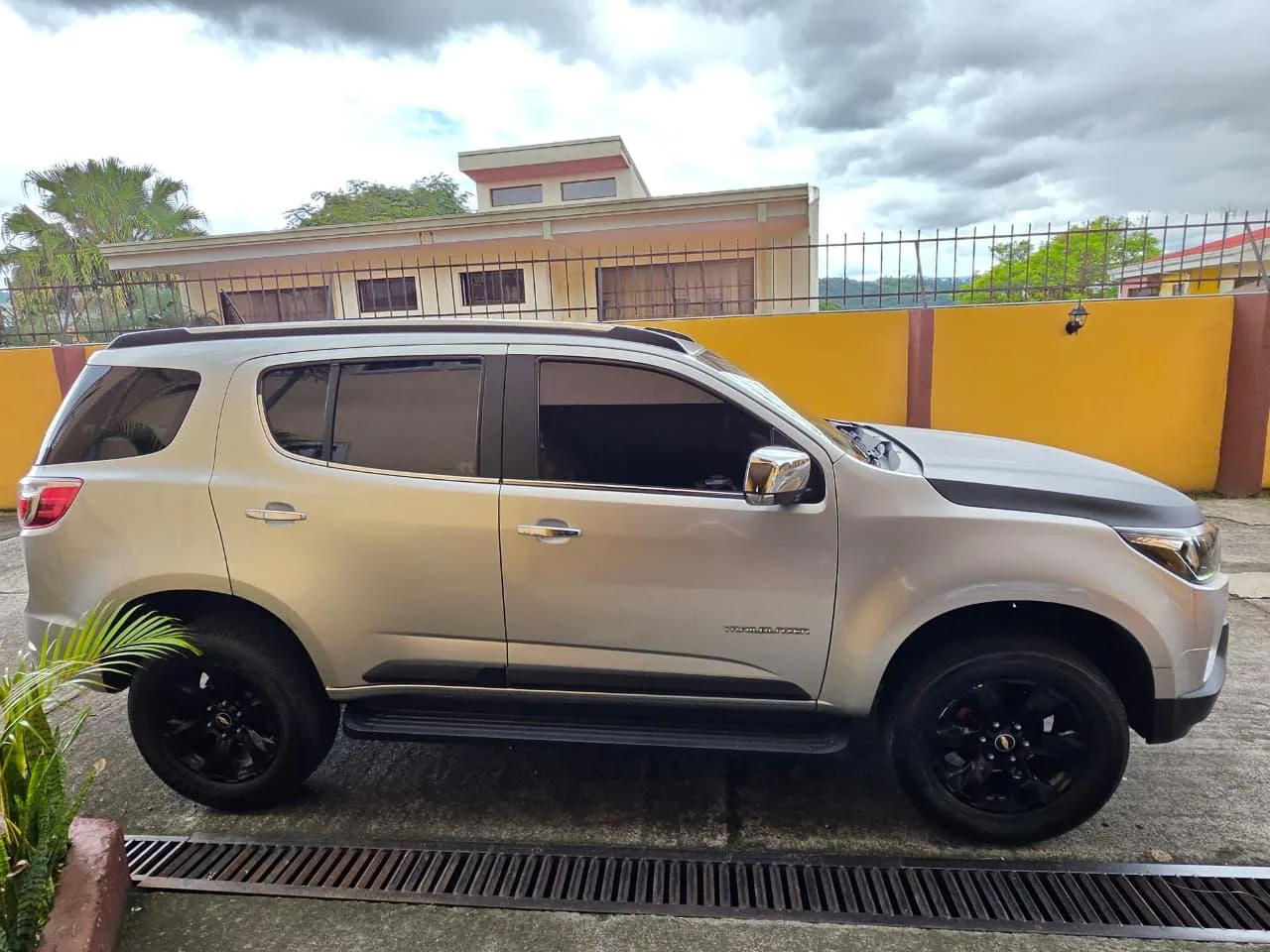
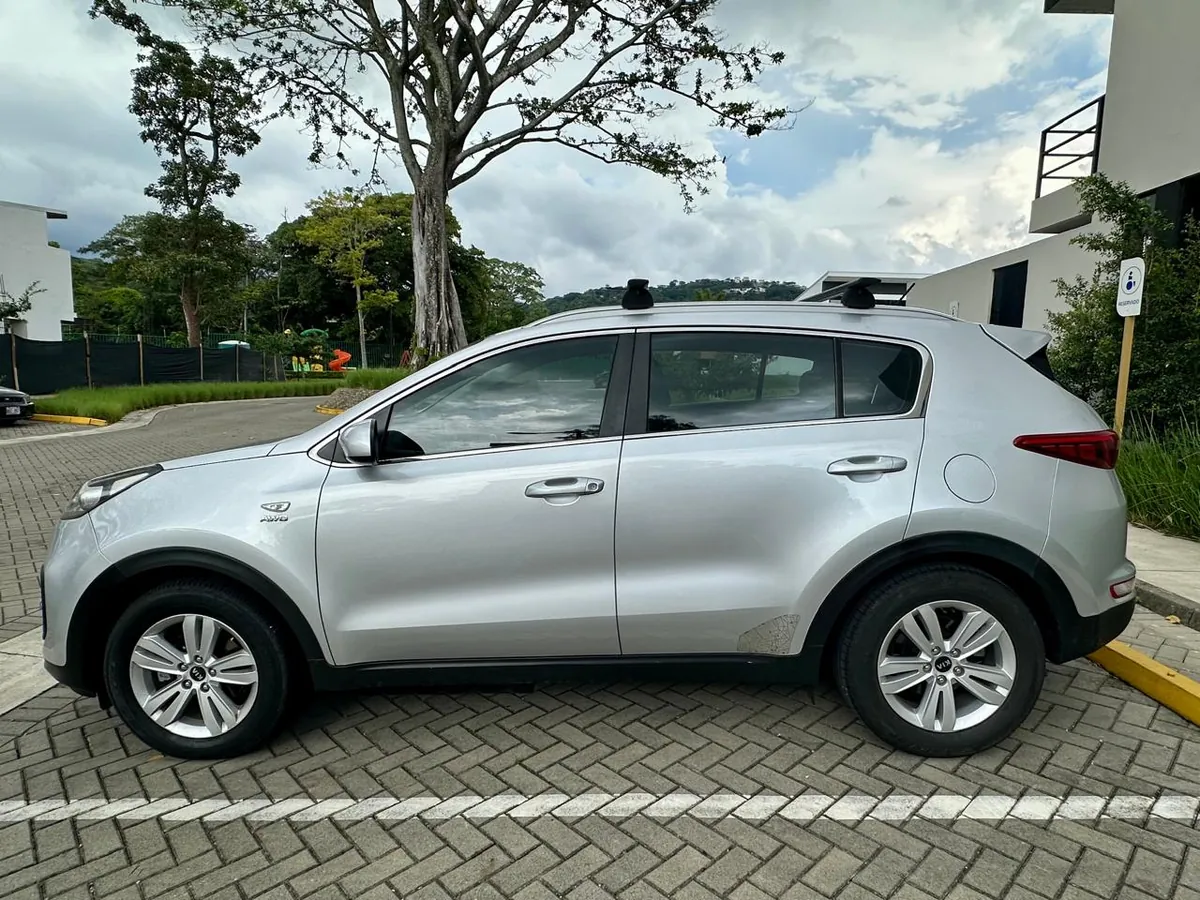
Our fleet covers each of those cases. The Kia Rio and Kia Picanto are easy, economical choices for paved routes. The Hyundai Creta adds the extra clearance for gravel access roads. The Kia Sportage 4x4 handles Monteverde, Nosara and shallow fords. For groups, the Toyota Rush seats seven, and the Chevrolet Trailblazer combines seven seats with four-wheel drive for families heading off the paved roads. Our guide to renting a 7-seater explains how much luggage really fits.
Paying for a 4x4 you do not need is money you could spend on the trip. Taking a small car down a road that needs a 4x4 can cost you a day and a tow. The simplest way to get it right is to tell us your route.
Not sure which car your route needs?
Send us your itinerary on WhatsApp and we'll recommend the right vehicle — including when the cheaper one is the right answer.