Driving Costa Rica · First trip
Welcome to Costa Rica: what nobody tells you before you drive off
You have the keys, a phone full of screenshots and a plan that probably has one more stop in it than it should. Here is what the first two days behind the wheel are really like — and the handful of habits that make the rest of the trip easy.
The first hour out of the airport
Both international airports sit on fast, well-marked roads, and both funnel you into traffic that moves faster than you expect. Take the first thirty minutes slowly. Adjust the mirrors before you leave the lot, put the phone in a mount rather than your lap, and let the first three cars overtake you. Nobody here is in a hurry on your behalf, but they will pass you where you would not.
Distances lie. Ninety kilometers can be ninety minutes or three hours depending on whether it crosses a mountain. When you plan the day, count hours, not kilometers, and add one hour to whatever the map says for any route that leaves the Central Valley. Our classic road trip itinerary shows what that looks like over ten days.
Count the trip in hours, never in kilometers. The mountain decides, not the distance.
Roads change character without warning
A smooth two-lane highway can become gravel at a bend with no sign at all, usually in the last few kilometers before somewhere beautiful. That is normal. What matters is that you slow down early, keep both hands on the wheel and stop trusting the speed you were doing a minute ago.
Potholes are the other constant. On main routes they appear after heavy rain and get patched within weeks; on secondary routes they are simply part of the road. Leave space to the car in front so you can see the surface, not just their bumper.
Rain is a schedule, not a surprise
From May to November it usually rains in the afternoon, hard and briefly. Drive in the morning and you will spend your trip in sunshine. If it catches you, pull over somewhere visible and wait twenty minutes — visibility collapses and the water drains fast once it stops.
River crossings deserve a rule of their own: if you cannot see the bottom, do not cross. Wait, or take the long way. Water that was ankle-deep at midday can be axle-deep by four in the afternoon, and no rental insurance anywhere covers water damage from a crossing you chose to make (here is what rental insurance does cover).
- — Passport copy and license
- — ₡20,000 in small bills for tolls and parking
- — Offline map of your route
- — A towel and closed shoes
- — Our WhatsApp, saved
- — Water for two hours more than you plan
Fuel, tolls and the parking man
All stations are full-service — stay in the car, say lleno, por favor, and pay by card or cash. Fuel prices are fixed nationally, so there is no cheaper station down the road. Fill up before any mountain leg; stations thin out quickly outside towns.
Tolls on the routes out of San José are small and often cash-only. And in almost any town, someone in a reflective vest will help you park and watch the car. A few hundred colones when you return is the normal, expected thank-you.
Renting the right car the first time
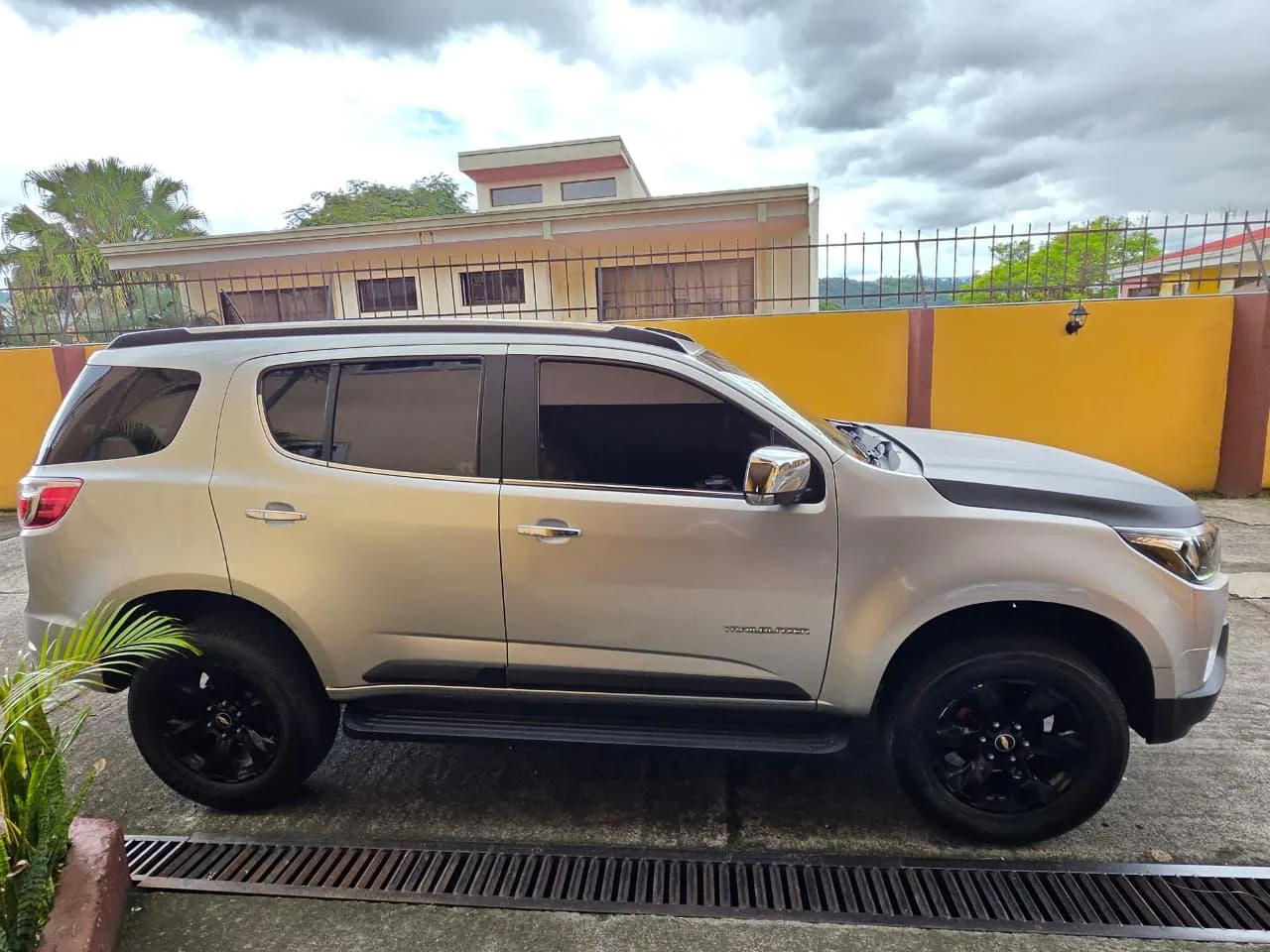
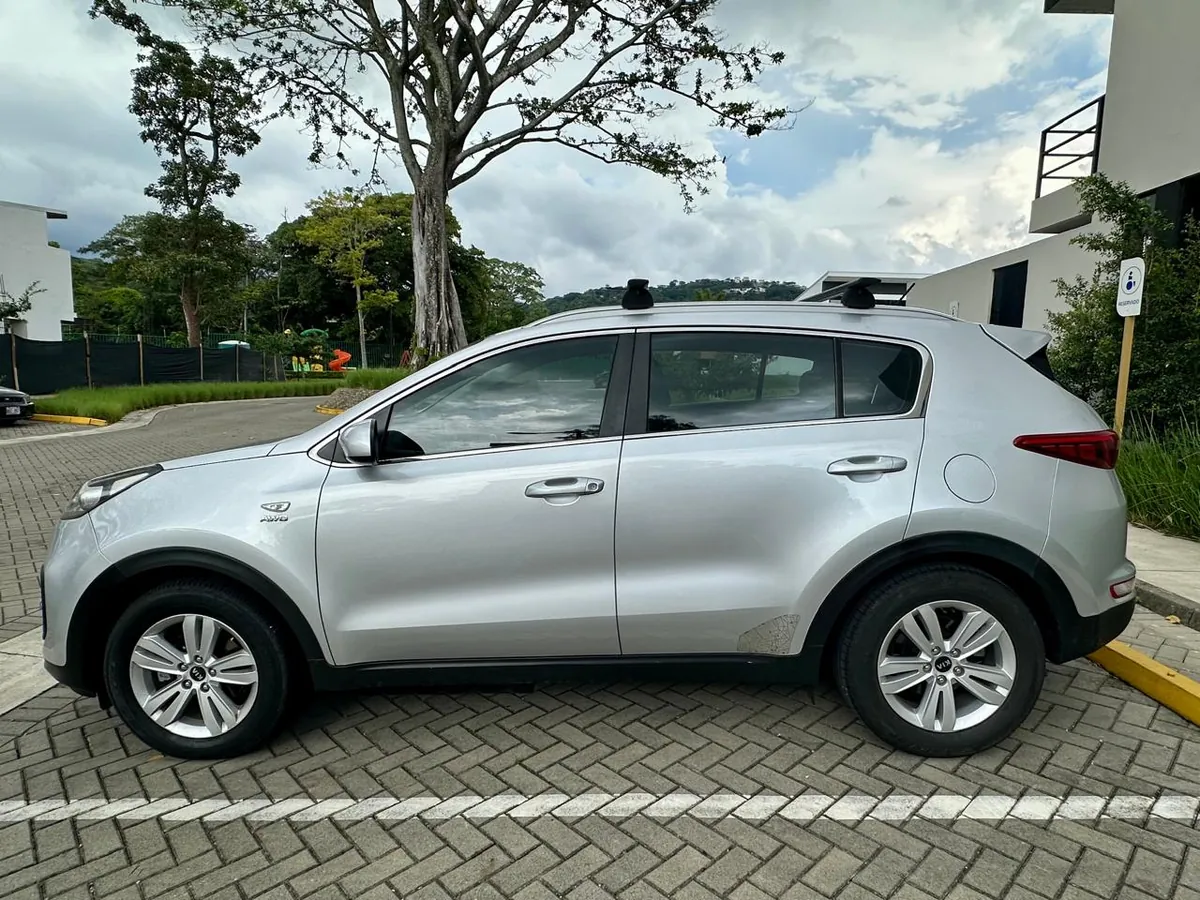
Most first trips do not need a 4x4 — they need clearance. If your route is San José, Jacó, Manuel Antonio and back, a sedan is genuinely fine. If it includes Monteverde, Santa Teresa, Nosara or anything in Osa, take the 4x4 and stop thinking about it (we break it down route by route in Do you need a 4x4 in Costa Rica?). The extra you pay per day is smaller than one tow. Five or more of you with luggage? Read our guide to renting a 7-seater first.
Rent the right car for your route
Send us your itinerary and we'll tell you which of our six vehicles it actually needs — including when the cheaper one is the right answer.
And then, the easy part
Once the driving stops being a subject, the country opens up quickly. Stop at the soda with the most cars outside it. Take the detour the local road sign promises. Leave one afternoon of every week empty — you will find something to put in it.
If anything goes sideways, from a flat tire to a road closed by a landslide, message us. We answer, and we know the alternative route.